When is a broch not a broch?
Written by Evelynne Cook, CBP committee member
Brochs are among the most recognisable structures from Archaeology across Scotland. The Brochs' circular form and thick drystone walls make Brochs stand out clearly in their landscape, even in ruins. However, and this is very important, not every circular stone structure is a Broch (a lesson I am always learning).
While walking part of the John O Groat Trail, heading towards the Burn of Latheron my dad and I came across circular stonework, weathered and collapsed, like a Broch in ruin. At first glance it is easily interpreted as the remains of a Broch.
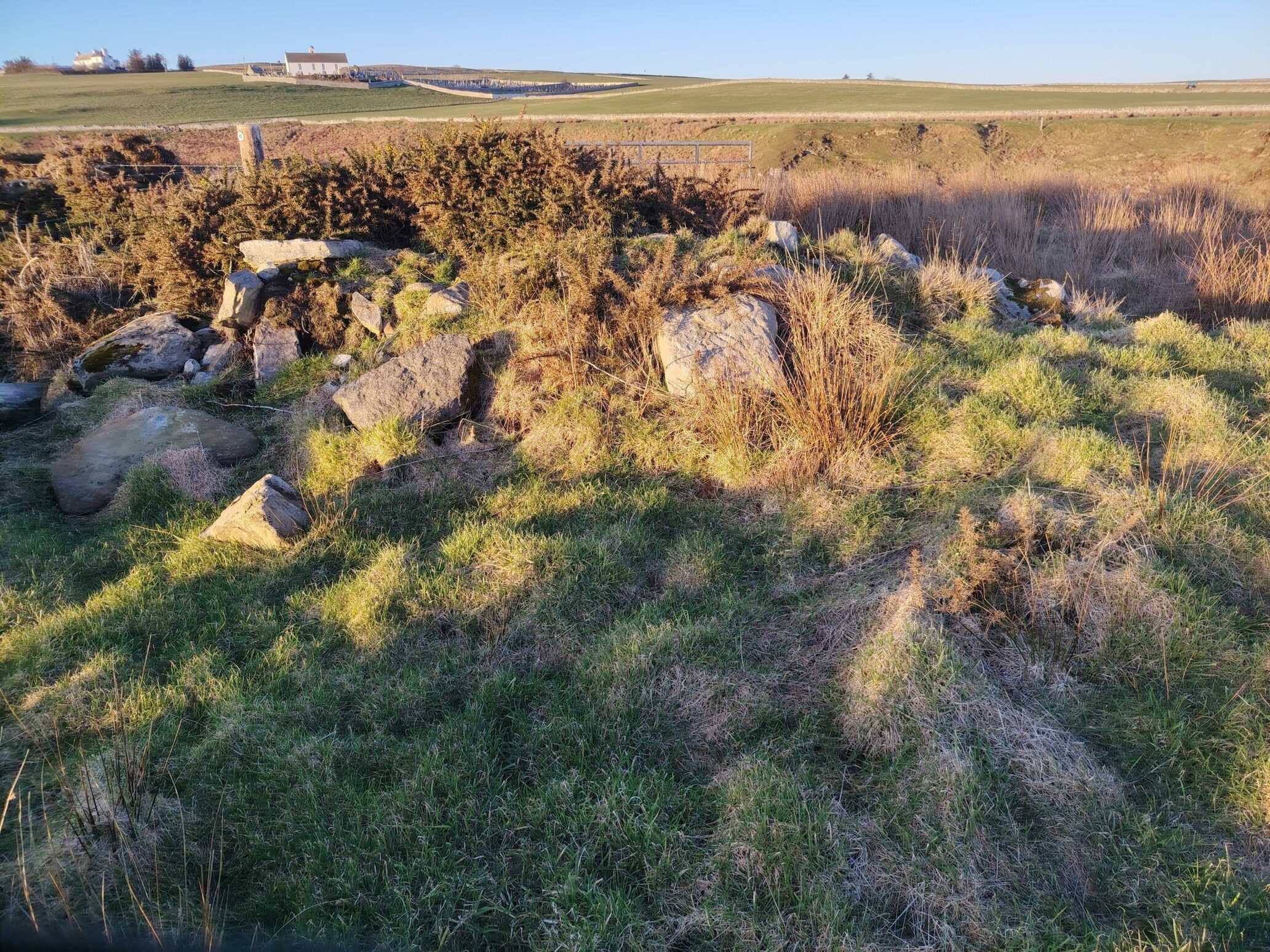
Above: Stone structure just south of Clan Gunn museum
On closer inspection the thought of this stone structure being a Broch started to unravel.
The ruin lacks the key Broch characteristics. There is no evidence of double skinned walling or the substantial wall thickness which is typically associated with Broch construction. Instead the stonework appears low and irregular. In short, the excitement of this structure being a Broch may have been slightly premature.
One possibility is that this structure is a more recent addition, such as a World War II Home Guard Hideout. There have been two hideouts recorded, one at Forse and Latheron. Current enquiries with Am Baile have not yet confirmed a direct link between these sites, but we did find some information written by the late Geoff Leet of the now-defunct Caithness Field Club
"LATHERON-FORSE, ND21813363, also ND2047 3570
Two hides here, one in impenetrable gorse on the steep south bank of the Forse River near the
waterfall. The other is inland in a wood near the Corr Cottage. A long east-west wall that divides
the big field containing the "Wag Of Forse" from the reservoir. In the wood, 50 M south of the line
of this wall, and 30 M from the boundary wall lies the clear hole of the hide.
The reason for two hides is not understood; perhaps one became public knowledge so had to be abandoned, or it may have belonged to another organisation."
Other explanations, such as Cairns, Sheep Fanks or other agricultural structures should also be taken into account as these can often be found in a circular layout. These can be easily mistaken for something much older, especially if youre like me, hoping it's a broch.
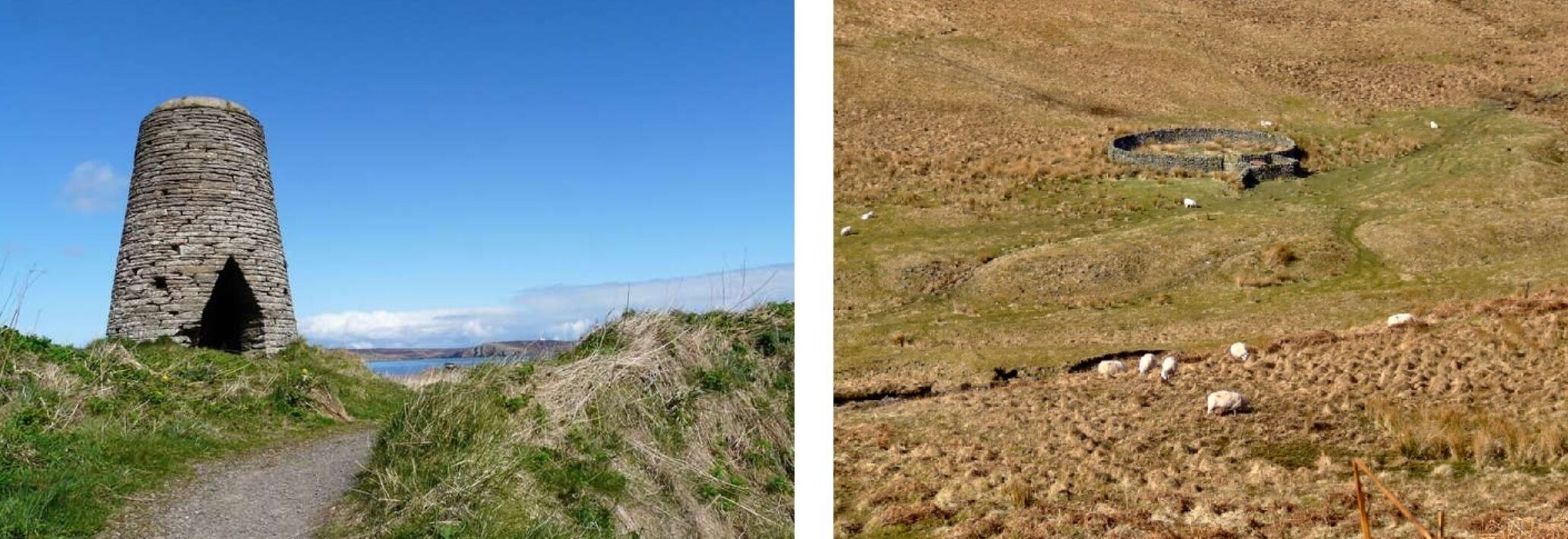
The image on the left is an image of a Wind Pump at Castlehill. Credit to Staff Reporter - NOSN from the John O’ Groat Journal and Caithness Courier (https://www.johnogroat-journal...).The image on the right is a dry stone Sheep Fank in the borders of Scotland. Credit to allybeag on Flickr (https://www.flickr.com/photos/...)
This example shows the importance of careful identification. Whilst Brochs are usually distinctive, relying on the shape alone can be misleading. Structural detail, context and supporting evidence is essential in distinguishing between prehistoric and later remains.
So, when is a Broch not a Broch? Two useful indicators is when the structure lacks double skinned drystone walls, and substantial wall thickness.
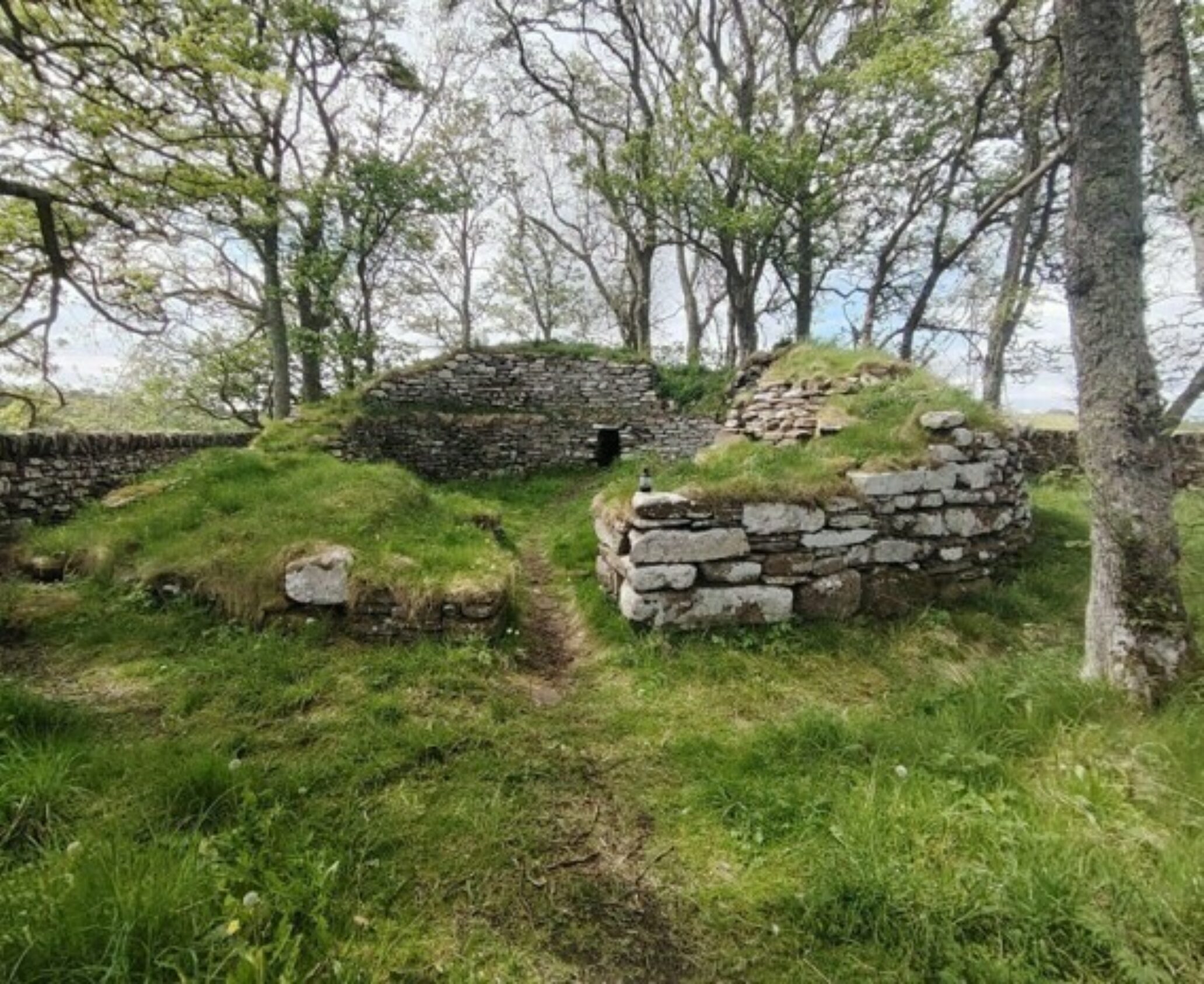
Above: Dunbeath Broch. If you look close enough you can see our cheeky new whisky called On the Brochs 👀